Urban Form: Abu Simbel
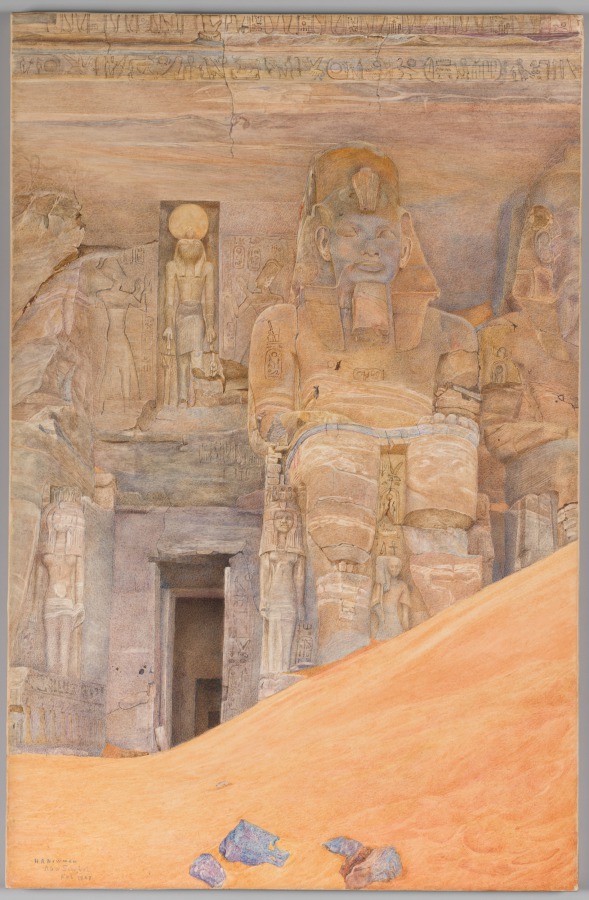
Geometric Integrity of Abu Simbel: A Study in Architectural Expansion
The Abu Simbel subject, as a conceptual artifact, presents a paradox of monumental stillness and dynamic spatial negotiation. Its geometric integrity is not found in the precision of a single line, but in the volumetric tension between mass and void, between the colossal and the intimate. For the 2026 executive silhouette, this translates into a definitive departure from the body-conscious. The silhouette becomes a mobile architecture, a structure that the wearer inhabits rather than merely adorns. The internal DNA, drawn from the Qing dynasty porcelain and the modern crab apple painting, provides the philosophical scaffolding: the macrocosm of the vessel and the microcosm of the branch. The Abu Simbel silhouette is the vessel—a vast, hollowed form that contains space, light, and the potential for movement. Its geometry is one of controlled expansion, where the shoulder line is the primary structural beam, and the fabric falls in uninterrupted, gravity-fed planes.
Structural Poetics: The Macro-Vessel and the Micro-Branch
The porcelain’s “moving landscape” is the key to the silhouette’s structural poetics. The vase is a container of a world; the Abu Simbel coat or jacket is a container of the self. The geometric logic is that of the inverted trapezoid or the softened pyramid. The shoulder is extended, not with aggressive padding, but with a clean, architectural drop that creates a horizontal datum. From this datum, the fabric descends in a near-vertical line, skimming the body without clinging. The waist is not suppressed; it is a point of internal volume, a negative space that allows the garment to breathe. This is the “macro” view—the universe of the silhouette.
The “micro” view, drawn from the Flowering Crab Apple, is found in the detailing. The branch’s “calligraphy of force” is translated into the garment’s seams and closures. A single, asymmetrical seam running from the shoulder to the hem mimics the branch’s gnarled, purposeful line. It is a line of tension that disrupts the otherwise placid field of fabric. The “buds” are the closures—oversized, sculptural buttons in polished Onyx or matte Silver, placed not for function alone but as punctuation marks on the fabric’s sentence. The “blossoms” are the pockets, which are not slits but constructed, three-dimensional volumes that project from the garment’s surface, echoing the flower’s emergence from the branch. This interplay between the vast, silent plane and the singular, expressive detail is the core of the structural poetics. It is a dialogue between the monumental and the minute, the eternal and the ephemeral.
Urban Materiality: Sand, Slate, and the Weight of Light
The color palette is dictated by the subject’s material reality: the sun-bleached stone of the temple, the deep shadow of its interior, the silver of the Nile at dawn. Sand is the primary color—not a beige, but a complex, granular neutral that shifts between warm limestone and cool desert dust. It is the color of the vessel’s body. Slate is the secondary color, used for the structural seams, the internal linings, and the sculptural buttons. It is the color of the temple’s shadow, the weight that gives the volume its gravity. Silver appears as a tertiary accent, a metallic thread in the fabric or a polished zipper, representing the light that defines the edge of the form.
The materiality must support the geometry. For the primary volume, a double-faced wool-cashmere in Sand is ideal. It has the weight to fall cleanly, the opacity to hold its shape, and a subtle, felted surface that absorbs light rather than reflecting it, reinforcing the sense of mass. For the Slate elements, a sanded Japanese cotton gabardine provides a matte, rigid counterpoint. The Silver accent is best realized as a liquid metal jacquard used only in the lining, visible only when the garment is in motion, a secret flash of the internal light. The fabric is not a skin; it is a building material. It must have a tactile density that communicates permanence and shelter.
The 2026 Executive Silhouette: A New Protocol of Presence
The 2026 executive silhouette, as defined by Abu Simbel, is not about efficiency or streamlining. It is about authority through volume. The traditional power suit constricts; the Abu Simbel silhouette expands. It creates a personal perimeter, a zone of controlled territory around the wearer. The coat is the primary garment: a floor-length duster in Sand, with a Slate seam tracing the spine and a single, oversized Silver button at the throat. The shoulders are broad but soft, the sleeves wide enough to allow a full range of motion without disturbing the garment’s overall geometry. Beneath it, a tunic in the same Sand wool, cut with a high, mandarin collar and a single, hidden Slate pocket at the hip. The trousers are wide-legged, falling from the hip in a single, unbroken column to the floor, pooling slightly over the shoe. There is no belt, no waist definition. The body is a column within a column.
This silhouette demands a new posture. The wearer must stand as a static monument, a point of stillness in the urban flux. The garment’s geometry is complete only when the body is at rest. In motion, the fabric shifts, the internal Silver lining catches the light, and the macro-vessel becomes a living landscape. The “moving landscape” of the porcelain is realized in the urban environment: the wearer is the high figure in the landscape, the garment is the mountain and the river, and the city is the scroll upon which this image is drawn. The Abu Simbel silhouette is a proclamation of presence, a refusal to be diminished by the verticality of the city. It is a structure for the executive who understands that true power is not in speed, but in the gravity of stillness and the poetry of contained space.