Urban Form: Architectural Model
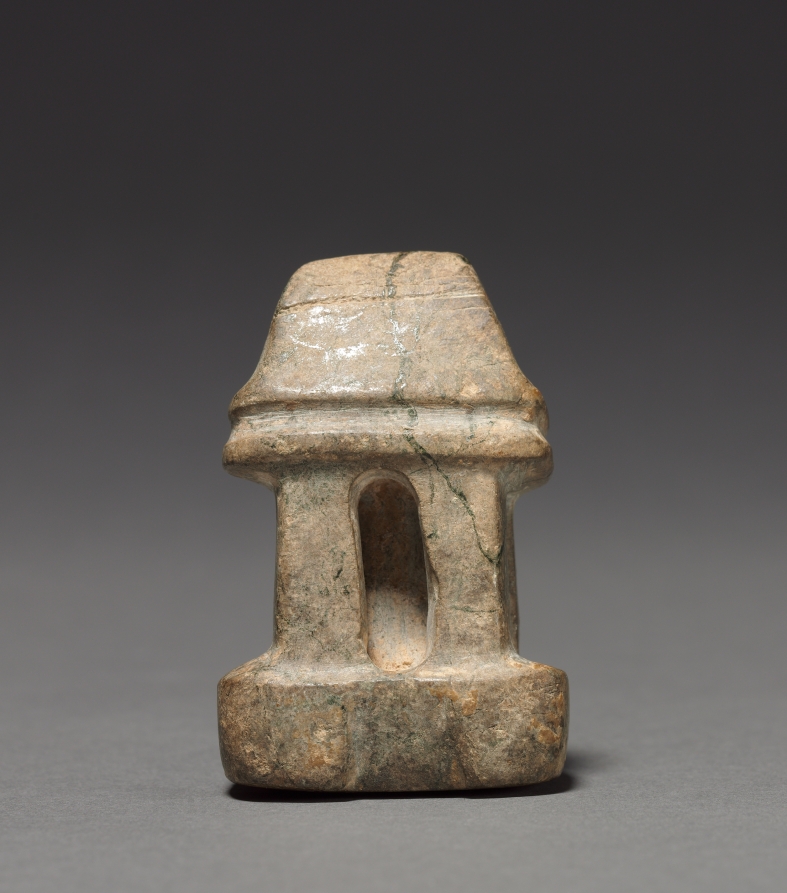
Geometric Integrity and the Architectural Model
The subject of this Urban Silhouette Research is the architectural model—a conceptual framework derived from the dialectic between the Udumbara Flowers Temple Plaque and the Chest for Storing Garments. Within the internal DNA of Addison Fashion, these two artifacts are not merely decorative references; they are structural blueprints for the 2026 executive silhouette. The plaque’s abstraction of the “invisible flower” and the chest’s articulation of the “visible flower” form a complete aesthetic loop, one that redefines urban materiality through the lens of minimalist luxury.
The geometric integrity of this model is rooted in a paradox: the simultaneous presence of absence and presence. The temple plaque, with its rough-hewn wood and patina of moss and flaking gold, does not depict the udumbara flower. Instead, it presents the name of the flower as a spatial event. The grain of the wood, the cracks, the rust—these are not flaws but structural poetics. They are the geometry of time itself, rendered as a series of vertical and horizontal lines that mimic the urban grid. For the executive silhouette, this translates into a rigorous, unadorned architecture: a shoulder line that is sharp but not aggressive, a waist that is defined by negative space rather than constriction. The silhouette is a vessel for the unseen—a void that holds the wearer’s presence as the plaque holds the flower’s essence.
Structural Poetics: The Void as Volume
The chest, by contrast, offers a geometry of containment. Its painted flowers—precise, delicate, with meticulous outlines and intentional white space—are not merely decorative. They are structural anchors that organize the surface. The chest’s function as a container for garments is mirrored in the silhouette’s role as a container for the body. The 2026 executive silhouette draws from this principle: it is a minimalist shell that does not cling but rather frames. The line is clean, the fabric falls in a single, unbroken plane from shoulder to hem, interrupted only by a single, strategic seam that echoes the chest’s hinge. This is not tailoring in the traditional sense; it is architectural drafting on the body.
The urban materiality of this silhouette is defined by Ivory—a color that is neither white nor cream, but a luminous neutrality. Ivory carries the weight of the plaque’s aged wood and the chest’s lacquered surface. It is a color that absorbs light without reflecting it, creating a matte, almost tactile surface. In the urban context, this color reads as cold sophistication: it is the color of concrete at dawn, of parchment in a law library, of bone china in a minimalist penthouse. It is the absence of color that contains all colors, much like the udumbara flower contains all flowers in its name alone.
Urban Materiality: Fabric as Surface and Structure
The fabric for this silhouette must be a heavy, double-faced wool or a structured cotton-silk blend. The weight is critical: it must drape with the gravity of the plaque’s wood while retaining the precision of the chest’s painted lines. The surface should be unfinished—not raw, but deliberately unpolished, with a slight slub or weave that catches the eye like the plaque’s grain. This is urban materiality at its most refined: a fabric that speaks of construction sites and galleries, of scaffolding and sculpture.
The silhouette itself is a single, continuous form. The jacket is long, falling to mid-thigh, with a notch lapel that is almost absent—a mere suggestion of a fold. The sleeves are set with a high armhole that creates a clean, unbroken line from shoulder to wrist. The trousers are wide and fluid, but with a sharp crease that bisects the leg like a crack in the plaque. The overall effect is one of monolithic stillness—a figure that moves through the city as a building moves through a fog: slowly, deliberately, with a sense of permanent impermanence.
The Executive Silhouette: A Manifesto of Restraint
The 2026 executive silhouette is not about volume or excess. It is about the geometry of restraint. The plaque teaches us that the most powerful image is the one that is not shown; the chest teaches us that the most functional object can be a work of art. Together, they define a silhouette that is both sacred and secular, both transcendent and grounded. The wearer of this silhouette is not adorned; they are inscribed—a living line drawing in the urban landscape.
In practice, this means eliminating all ornament. No buttons, no pockets, no visible stitching. The closure is hidden, the seams are fused, the hem is raw. The only detail is the line itself—the way the fabric falls, the way it catches the light, the way it moves with the body. This is the minimalist luxury of the architectural model: a form so pure that it becomes invisible, leaving only the wearer’s presence. The udumbara flower blooms for a moment in eternity; the chest’s flowers bloom for a season. The executive silhouette blooms in the interval between—the space where the sacred and the everyday meet, and where the city becomes a temple of the self.