Urban Form: Architectural Model
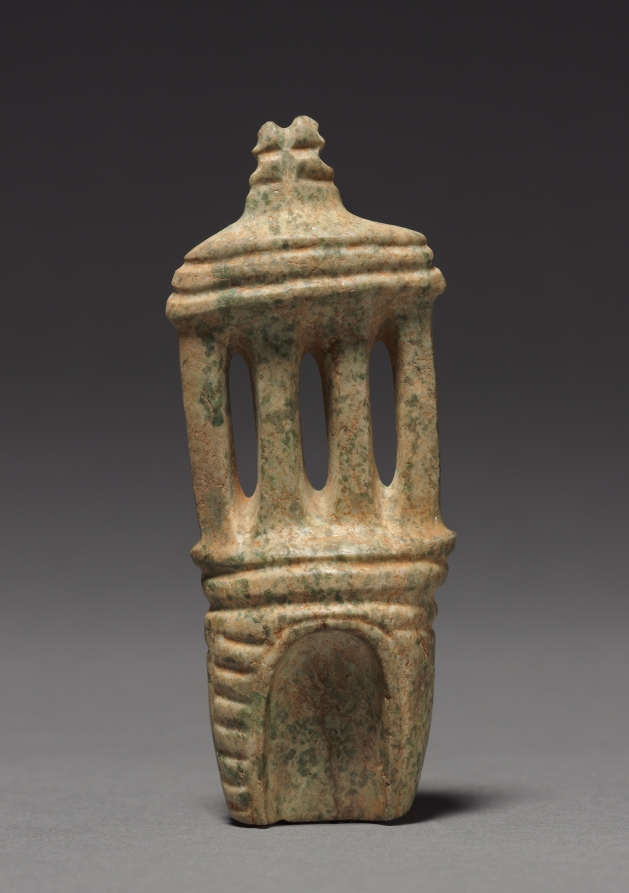
Geometric Integrity as Urban Cartography
The architectural model under analysis—a synthesis of Pilgrim Sudhana and Sample of Fibrolite—presents a dialectic of the crafted and the natural that is directly translatable into the 2026 executive silhouette. The former, a religious figurine, embodies a “form carrying the Way” through precise, ritualistic geometry. The latter, a mineral specimen, reveals an “inherent logic of matter” through its crystalline structure. For Addison Fashion, this duality defines a silhouette that is not merely worn but inhabited: a tailored architecture that respects the body’s volume while imposing a deliberate, urban order.
Structural Poetics: The Dematerialization of Form
The Pilgrim Sudhana archetype dictates the upper torso’s engineering. Its posture—a forward-leaning, supplicant stance—is translated into a sculpted shoulder line that is both protective and directional. The garment’s shoulder pads are not soft; they are geometric inserts, cut from rigid, low-sheen slate wool, mimicking the angular drape of a bronze robe. The lapel is a continuous, unbroken line from the collarbone to the sternum, a “spiritual axis” that guides the eye downward, much like the pilgrim’s gaze toward enlightenment. This is not a casual drape but a structural poetics of intention: every seam is a path, every dart a prayer.
Conversely, the Fibrolite specimen informs the lower silhouette. Its fibrous, layered cleavage—the mineral’s natural “silk luster” and “columnar jointing”—is echoed in the trousers. The cut is a tapered, high-waisted cigarette pant with a subtle, vertical pleating that runs from hip to hem. This pleating is not decorative; it is a structural necessity, creating a series of parallel, load-bearing lines that mimic the mineral’s internal stress patterns. The fabric—a dense, matte slate twill with a micro-ribbed texture—absorbs light rather than reflecting it, enforcing a non-utilitarian gravity. The result is a silhouette that is “dematerialized” in the upper body (spiritual, transparent) and “materialized” in the lower body (physical, dense).
Urban Materiality: The Slate Palette and Tactile Syntax
The chosen color, Slate, is not a neutral. It is a chromatic anchor that bridges the human and the geological. In the Pilgrim Sudhana context, slate represents the patina of devotion—the darkened, oxidized surface of a bronze statue that has been touched by centuries of prayer. In the Fibrolite context, it is the raw, unpolished face of a quarry, a “material truth” that refuses to be decorative. For the 2026 executive, this color signals a cold sophistication: it is the color of wet asphalt at dusk, of corporate glass facades, of the urban grid itself.
The fabric’s tactile syntax is paramount. The jacket is constructed from a double-faced slate wool—one side smooth and brushed, the other raw and napped. This “inside-out” construction allows for a reversible collar and cuffs, offering a subtle dialogue between the polished and the primitive. The trousers use a slate-grey Japanese denim with a high-twist yarn, creating a “fibrous” hand feel that references the mineral’s cleavage planes. The finish is stone-washed to a matte, almost chalky surface, eliminating any sheen that might suggest luxury. This is urban materiality at its most ascetic: the garment does not perform; it exists.
Geometric Integrity in the Silhouette
The 2026 executive silhouette, as derived from this model, is defined by three geometric principles:
- Axis of Devotion: A central, vertical seam running from the nape of the neck to the hem of the jacket. This seam is not a simple back seam; it is a structural spine, reinforced with a hidden strip of rigid horsehair canvas. It forces the jacket to stand away from the body, creating a “negative space” between fabric and spine—an architectural void that suggests the pilgrim’s empty hands.
- Fibrous Layering: The trousers’ pleats are not parallel in the traditional sense. They are asymmetrical, with a 3-degree tilt toward the center, mimicking the “fibrous cleavage” of the mineral. This subtle distortion creates a visual tension, a “geological unease” that prevents the silhouette from becoming static.
- Terminal Compression: The cuffs of both jacket and trousers are tapered and sealed with a narrow, elasticized band. This is not for comfort; it is a termination point, a visual stop that prevents the eye from wandering. It echoes the “cut and polished” edges of the mineral sample, where the natural form is abruptly halted by human intervention.
Conclusion: The Silhouette as Contemplative Object
This tailored silhouette is not for the pedestrian. It is for the executive who understands that clothing is a “vessel for contemplation”. The Pilgrim Sudhana teaches us that form can carry meaning beyond function; the Fibrolite teaches us that matter itself is a form of meaning. The 2026 Addison Fashion silhouette is a geometric meditation on these truths: a jacket that is a shrine, trousers that are a strata, and a color that is the silence between them. It is urban, cold, and absolute—a definitive statement for those who dress not to impress, but to inhabit.