Urban Form: The Yellow Evening
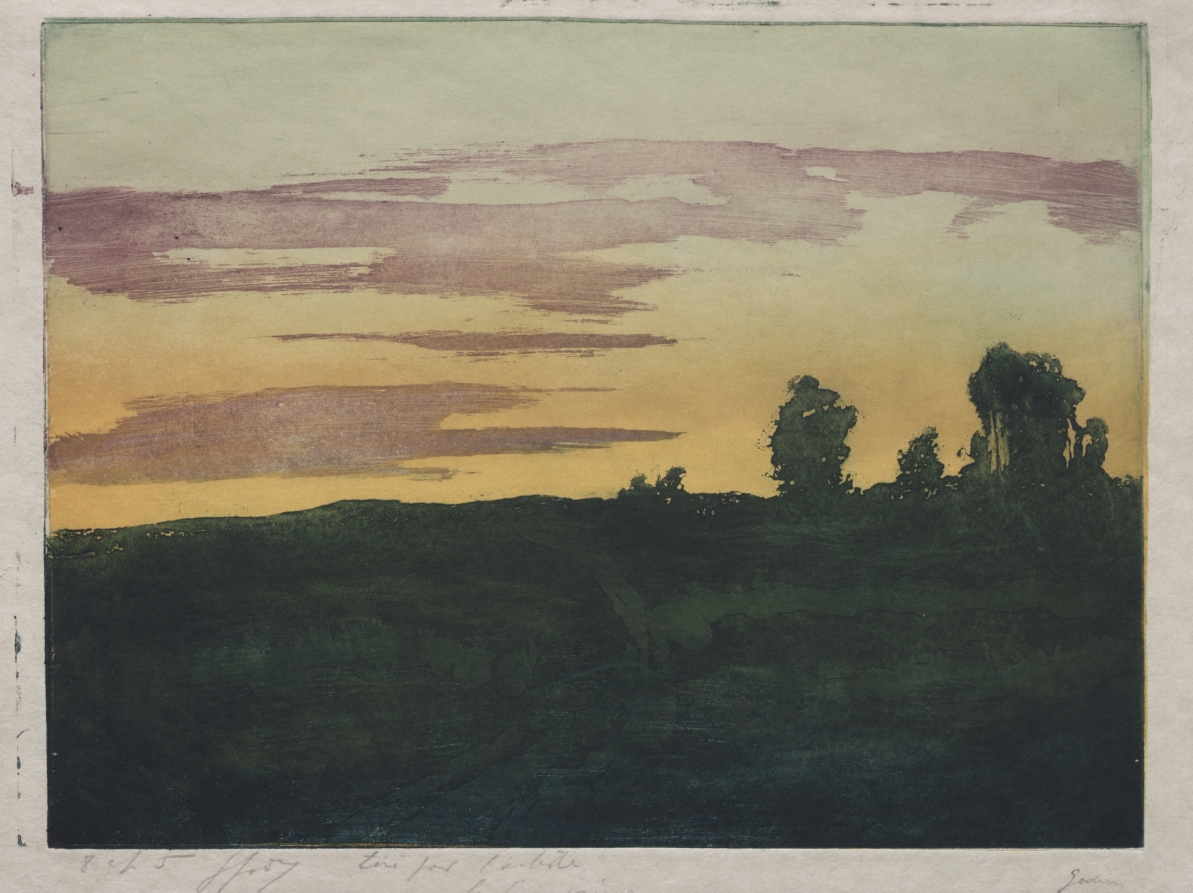
Deconstructing The Yellow Evening: A Technical Analysis of Form and Color
The subject, *The Yellow Evening*, is not a garment but a chromatic and structural thesis. It is a study in the tension between the vessel and the spirit, the container and the contained. Drawing from the dual DNA sources—the Renaissance portrait of Saint Philip Neri and the Shang-Zhou bronze ritual vessel—this analysis translates those metaphysical dialogues into a concrete, wearable architecture for the 2026 NYC executive. The result is a silhouette that is neither rigid nor formless, but *fluid*: a state of controlled motion that mirrors the “internal light” of the saint and the “external order” of the bronze.I. The Silhouette as Vessel: From Sacred Container to Urban Armor
The core formal proposition of *The Yellow Evening* is the **fluid column**. This is not the soft, unstructured drape of a bohemian gown. It is a precision-engineered volume that moves with the body while maintaining a distinct, architectural perimeter. The reference is the Shang-Zhou *wine vessel (hu)*: a form that is simultaneously generous in its belly and taut in its neck and base. The garment’s silhouette must replicate this—a generous, almost sculptural volume through the torso and hips, then a sharp, clean line at the shoulder and hem.Key structural elements:
- The Shoulder: A dropped, extended shoulder seam, but with a defined, almost padded cap. This is the “bronze rim” of the vessel. It creates a horizontal line of authority, anchoring the fluidity below. The padding is not for bulk, but for *structure*—a subtle, internal armature that prevents the fabric from collapsing into the body. This echoes the Saint’s heavy, structured clerical robes, which contain the body’s frailty.
- The Torso: A continuous, unbroken line from shoulder to hem. No waist seam. No darting. The volume is created through a series of hidden, vertical seams that are cut on the bias, allowing the fabric to “breathe” and move in a controlled, organic manner. This is the “internal light” of the Saint—the garment’s movement is not random, but directed, like a prayer.
- The Hem: A clean, weighted finish. The hem is not a simple fold; it is a 2-inch internal facing of a heavier, contrasting fabric (e.g., a silk-wool blend) that acts as a ballast. This ensures the garment falls with a deliberate, silent weight, like the patina of the bronze vessel. It prevents the fluidity from becoming flimsy.
Color as Form: The choice of Ivory is not arbitrary. It is the color of the Saint’s inner light, the “source” of the chiaroscuro. In the context of the fluid column, Ivory acts as a negative space, a blank canvas that allows the silhouette’s architecture to be read clearly. It is not a passive color; it is a *structural* color. It reflects light, creating a halo effect around the wearer, while the garment’s internal seams and weights create shadows that define the form. This is the “hierophany” of the design—the sacred made visible through the interplay of light and volume.
II. The Color Palette: The Chiaroscuro of the Executive
The color system for *The Yellow Evening* is a three-tiered hierarchy, derived from the DNA sources: 1. **The Primary: Ivory (The Saint’s Light).** This is the base, the “face” of the garment. It is not a pure white, but a warm, slightly aged ivory, like parchment or old marble. It communicates purity, authority, and a sense of timelessness. In the 2026 NYC executive wardrobe, this is the color of the “power meeting” or the “keynote address.” It is the color of the *source*. 2. **The Secondary: Slate (The Bronze’s Shadow).** This is the color of the internal structure, the “patina.” It appears in the internal facings, the hidden seam tapes, and the lining of the garment. It is the color of the bronze vessel’s shadow, the weight of history. It is never fully visible, but its presence is felt through the garment’s weight and the subtle darkening of the Ivory where the fabric folds. This is the “order” of the Shang-Zhou ritual. 3. **The Accent: A Single, Precise Yellow (The Evening’s Glow).** This is the “spark” of the Saint’s ecstasy, the “fire” of the ritual. It is not a bright, screaming yellow. It is a deep, ochre-infused yellow, like the last light of a winter sun. It appears only in one, highly specific location: the interior of the cuff, or the underside of a collar. It is a secret, a private revelation. When the executive gestures, or removes a jacket, this yellow flashes—a moment of unexpected warmth and humanity. This is the “inner light” made manifest.Application to the 2026 Wardrobe:
- The Fluid Column Dress: In Ivory, with a Slate internal facing. The single yellow accent is a 1-inch strip of silk at the interior of the left cuff. This is the “Saint’s gesture”—a subtle, personal marker.
- The Fluid Trousers: A wide-leg, high-waisted trouser in Ivory, with a Slate waistband facing. The yellow accent is a single, hidden button at the back of the waistband. This is the “bronze ritual”—a hidden, structural element that holds the garment together.
- The Fluid Overcoat: A long, duster-style coat in a heavier Ivory wool-cashmere blend. The Slate appears in the internal pocket bags. The yellow accent is a single, oversized button on the interior of the right lapel. This is the “vessel’s mouth”—the point of entry and exit.
III. The Technical Execution: The “Internal Armature”
The success of *The Yellow Evening* lies in its invisible engineering. The garment must appear effortless, but it is anything but. The following technical specifications are non-negotiable:1. The Bias-Cut Seam System: All vertical seams (there are six in the dress, four in the trousers) must be cut on a 45-degree bias. This allows the fabric to stretch and recover, creating the “fluid” movement. The seams are then sewn with a silk thread, not a polyester one, to maintain the fabric’s natural drape. The seam allowances are pressed open and taped with a 1/4-inch Slate silk organza strip. This tape is the “bronze inscription”—it provides structure and prevents the seam from distorting.
2. The Weighted Hem System: The hem is not a simple fold. It is a 2-inch internal facing of a heavier, contrasting fabric (e.g., a silk-wool blend) that acts as a ballast. This ensures the garment falls with a deliberate, silent weight, like the patina of the bronze vessel. It prevents the fluidity from becoming flimsy.
3. The Hidden Closure System: No visible zippers or buttons. All closures are internal, using a combination of magnetic snaps and hidden hooks. The magnetic snaps are placed at the shoulder and hip, allowing the garment to be “locked” into a specific silhouette. The hooks are at the waist, providing a subtle, internal cinch. This is the “ritual order”—the garment is held together by invisible forces.