Urban Form: Je T'aime (No. 632)
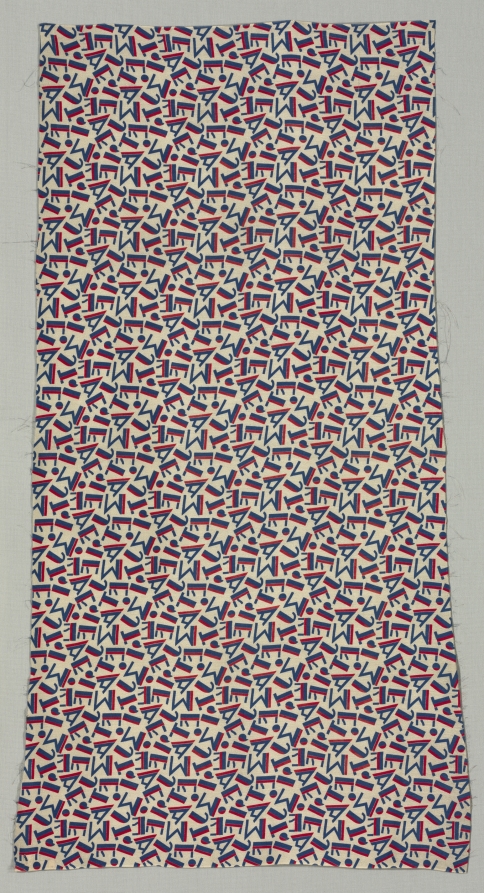
Geometric Integrity and the 2026 Executive Silhouette
The subject, Je T'aime (No. 632), presents a dialectic of containment and expansion that is essential for defining the 2026 executive silhouette. The internal DNA—a dialogue between the Delftware bowl’s concentric harmony and the Saint Anthony painting’s centrifugal chaos—demands a resolution in form. For Addison Fashion, this resolution is found in Minimalist geometry: a structure that does not negate tension but absorbs and redirects it. The 2026 silhouette is not a retreat into simplicity; it is a strategic compression of opposing forces into a single, authoritative line.
Structural Poetics: The Bowl as Armature
The Bowl with Ducks among Waves and Reeds offers the primary armature. Its geometry is one of finite containment: a circular rim, a concave interior, and a base that grounds the entire composition. The concentric ripples are not merely decorative; they are a spatial ordering system. For the executive silhouette, this translates into a rigid, sculpted shoulder line that mirrors the bowl’s rim—a clean, uninterrupted arc that defines the upper torso. The body of the garment, like the bowl’s wall, must taper with mathematical precision toward the waist, creating a funnel-like volume that channels the eye downward. The hem, analogous to the bowl’s base, must be weighted and immovable, anchoring the figure in space. This is not a soft drape; it is an architectural casing. The ivory color, chosen for its non-reactive neutrality, allows the geometry to speak without chromatic interference. It is the color of unglazed porcelain—raw, pure, and structurally honest.
Urban Materiality: The Canvas as Tension
The Temptation of Saint Anthony introduces the necessary counterpoint: disruption. Where the bowl is order, the painting is chaos—a proliferation of limbs, shadows, and spatial contradictions. For urban materiality, this translates into textural dissonance. The 2026 silhouette must not be a monolithic block; it must contain internal fractures. This is achieved through strategic paneling and seam articulation. The fabric—a high-density wool-cashmere blend with a matte finish—is cut into panels that do not align perfectly. A slight asymmetry in the lapel or a deliberate offset in the shoulder seam creates a visual tension that mimics the painting’s unsettling energy. The material itself must be heavy enough to hold shape but pliable enough to suggest movement, like the ripples of the bowl that are frozen yet dynamic. The urban context demands resilience: the fabric must resist creasing, repel moisture, and maintain its structure through a 14-hour workday. It is a material that endures, like the porcelain that survives centuries.
The Silhouette: A Synthesis of Containment and Expansion
The final silhouette is a hybrid of the bowl’s containment and the painting’s expansion. The upper body is strictly defined: a sharp, notched lapel that rises to a high, closed neckline, echoing the bowl’s rim. The shoulders are structured but not exaggerated—a slight peak that suggests authority without aggression. The torso is fitted but not constricting, with a vertical dart system that creates a subtle, ribbed effect, referencing the bowl’s concentric waves. The waist is cinched with a hidden belt, a nod to the bowl’s concave interior. Below the waist, the silhouette expands into a flared, A-line skirt or wide-legged trouser. This expansion is not soft; it is engineered. The fabric is cut in gored panels that flare from the hip, creating a bell-like volume that mirrors the painting’s outward push. The hem is weighted with a hidden chain, ensuring it falls with a clean, unbroken line. This is the executive’s armor: a form that contains the chaos of the city while projecting an unassailable calm.
Color and Light: The Ivory Spectrum
Ivory is not a single tone; it is a spectrum of off-whites that shift with light. For this silhouette, the ivory is cool-toned, with a hint of blue-grey that references the Delftware’s cobalt. This color absorbs and reflects urban light—fluorescent, grey, and amber—without becoming muddy. It is a neutral that asserts itself, like the blank space in a Bosch painting that forces the eye to focus on the grotesque. In the 2026 executive wardrobe, this ivory is the ground upon which the geometry is built. It is not a background; it is the materialization of silence—a color that holds its shape against the visual noise of the city.
Conclusion: The Poetics of Restraint
Je T'aime (No. 632) teaches us that the most profound beauty arises from the tension between order and chaos. The 2026 executive silhouette is not a rejection of either; it is a synthesis. The bowl’s geometry provides the structure; the painting’s chaos provides the energy. The result is a silhouette that is minimalist in form but maximalist in intent—a garment that contains the world without being consumed by it. This is the urban poetics of restraint: a line so precise it becomes a statement, a volume so controlled it becomes a presence. For the executive who wears it, this silhouette is not a uniform; it is a manifesto—a declaration that in a fragmented world, geometry is the only truth.