Urban Form: Temple of Ramesses II, Abu Simbel
Geometric Integrity and the 2026 Executive Silhouette
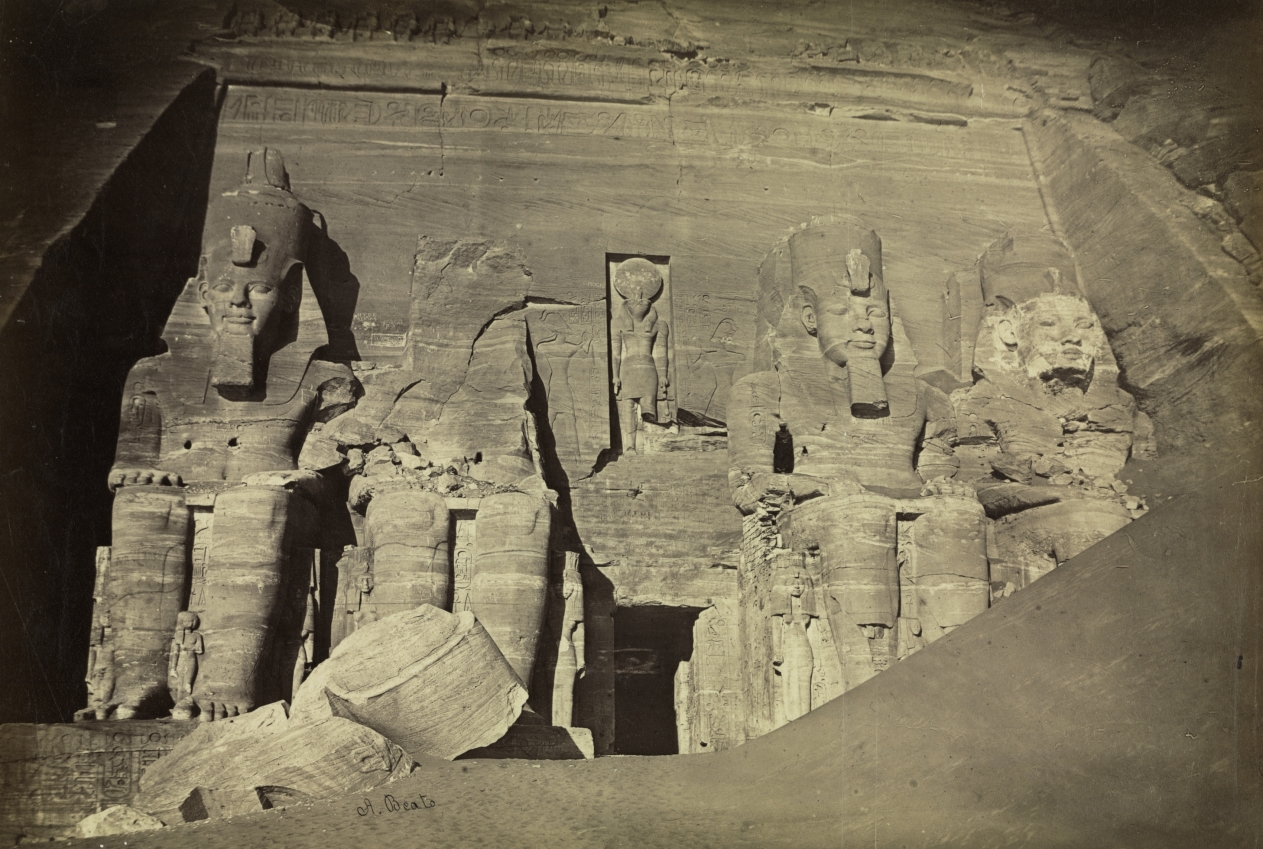
The Temple of Ramesses II at Abu Simbel is not merely a monument; it is a manifesto of absolute geometric will. Hewn from the living sandstone of the Nubian desert, its façade is a study in axial symmetry, colossal scale, and the tension between mass and void. For the 2026 executive silhouette, this ancient structure offers a definitive lexicon: the body as a plinth, the garment as a tectonic plane. The four seated colossi, each over 20 meters in height, establish a rhythm of verticality and stillness. Their rigid frontality, the parallel lines of their lappets, and the precise horizontality of the cornice above create a visual grammar of unwavering order. This is not a soft, organic geometry; it is a carved, subtractive one. The 2026 executive must embody this same principle: a silhouette that is sculpted from the negative space around it, rather than draped over the body.
Structural Poetics: The Plinth and the Portal
The temple’s most radical structural gesture is the hypostyle hall, where eight Osiride pillars—statues of the deified pharaoh—support the ceiling. This creates a spatial paradox: the occupant is simultaneously dwarfed and elevated, enclosed within a forest of monumental forms. For Addison Fashion, this translates into a double-layered construction for the executive coat. The outer shell, in a rigid Sand-toned wool-cashmere blend, is cut with clean, unbroken lines—a direct reference to the temple’s sandstone mass. The inner layer, visible only through a precise vertical slit at the sternum, is a fluid, Onyx-colored silk. This internal panel is not decorative; it is structural. It mirrors the axial corridor of the temple, which aligns with the rising sun twice a year. The garment thus becomes a portable axis mundi, a device for orienting the wearer within the chaos of the urban grid. The shoulder line is extended and squared, not to exaggerate breadth, but to create a horizontal datum—a cornice—from which the rest of the form falls in a pure, vertical cascade. There is no lapel roll, no soft notch. The collar is a stand-away, architectural band, echoing the cavetto cornice that crowns the temple’s pylon.
Urban Materiality: Sandstone as Textile
The material palette for this silhouette is dictated by the tactile memory of stone. The primary fabric is a double-faced, compacted wool woven in a herringbone pattern so tight it reads as a solid surface. Its color is not a flat beige, but a stratified Sand—a composite of ochre, pale limestone, and the faintest trace of rose from the sunrise that illuminates the temple’s inner sanctum. This is achieved through a micro-mélange of three yarns, creating a surface that shifts in light, mimicking the diurnal variation of the sandstone itself. The fabric is treated with a nano-ceramic finish that imparts a subtle, mineral sheen and a resistance to urban moisture—a nod to the temple’s millennia of weathering. The internal Onyx silk is matte, not lustrous, its surface woven with a subtle rib that catches light only at extreme angles, like the scored lines of hieroglyphic cartouches. This is not a fabric that drapes; it is a fabric that stands. The trousers are cut with a full, straight leg, falling without break to the shoe, creating a continuous vertical line from shoulder to ground. The waist is high and rigid, anchored by a wide, internal waistband of horsehair canvas—a hidden structural element that ensures the garment maintains its plinth-like integrity even in motion.
The 2026 Executive: A Figure of Stasis and Power
The final silhouette is one of controlled monumentality. It rejects the fluidity of the 2024-2025 seasons, which favored soft tailoring and deconstructed forms. Instead, it returns to a primordial, architectural logic. The wearer is not moving through the city; they are installed within it. The garment’s geometry—its strict verticals, its horizontal shoulder datum, its internal axial panel—creates a field of authority. The Sand color, far from being neutral, is a deliberate statement of permanence. It is the color of the desert, of the temple that has outlasted dynasties, of the stone that refuses to erode. In the context of the 2026 urban environment—a landscape of glass, steel, and digital flux—this silhouette is an act of resistance. It is a counterpoint to the ephemeral. The internal Onyx panel, visible only in the precise moment of movement or from a specific angle, is the secret axis—the inner sanctum of the wearer’s intent. It is not decoration; it is ritual. The garment, like the temple, is a machine for orientation. It aligns the body with a forgotten axis of permanence, offering a silhouette of absolute, unshakeable presence in a world of constant motion.