Urban Form: Satyress
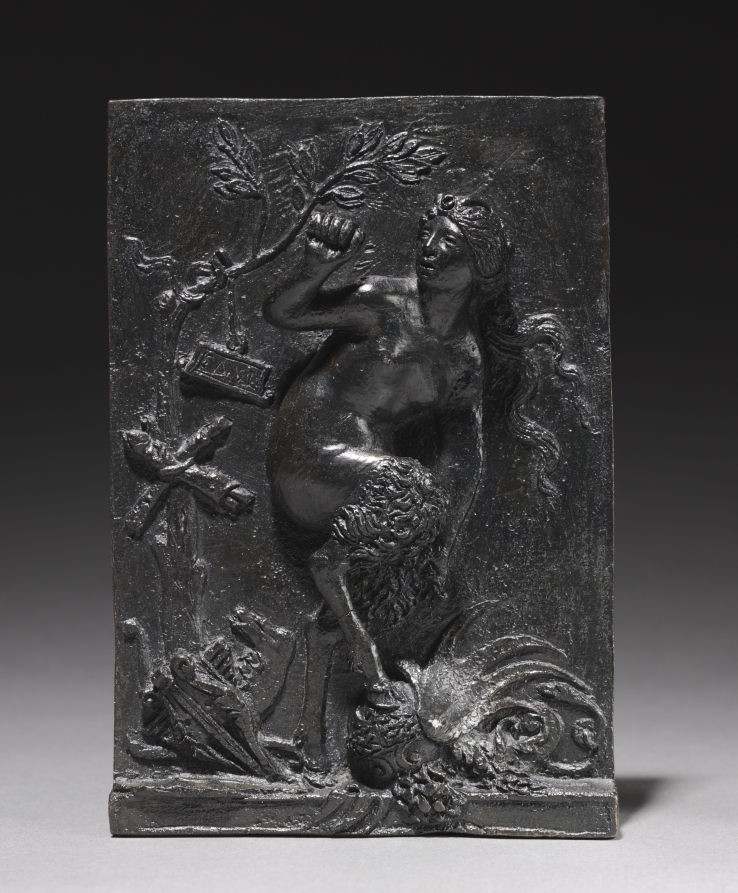
Structural Poetics of the Satyress: A Technical Analysis of the 2026 Executive Silhouette
The Satyress, as a conceptual archetype, embodies a dual nature: the disciplined, vertical thrust of the human intellect fused with the untamed, horizontal energy of the natural world. In the context of Addison Fashion’s 2026 Urban Silhouette Research, this hybridity is not rendered through literal ornamentation but through a rigorous, minimalist deconstruction of form. The two historical artifacts—the Textile with crowned double-headed eagles and the Screen with European Figures—provide the foundational grammar for a new architectural wardrobe. Their internal DNA, a dialogue between imperial order and curious translation, is distilled into a silhouette defined by geometric integrity, structural poetics, and urban materiality.
I. The Geometry of Authority: From Double-Headed Eagle to Linear Armature
The crowned double-headed eagle textile is a masterclass in symmetrical power. Its repeating, mirrored motif creates a visual field of absolute stability. For the 2026 executive silhouette, this translates into a rigid, vertical armature. The core garment is a single-seam, floor-length coat in Onyx—a color that absorbs light and asserts presence without reflection. The coat’s construction mimics the textile’s warp and weft: a high, structured collar (the crown) bifurcates into two sharp, asymmetrical lapels (the heads), each terminating in a precise, angular point at the sternum. This is not a lapel; it is a geometric incision.
The body of the coat is a study in negative space. Where the textile uses gold thread to delineate the eagles, the Satyress silhouette uses strategic cutouts—horizontal slits at the hip and vertical seams that run from the shoulder blade to the hem, revealing a secondary layer of Silver-toned liquid jersey. This is the urban translation of the textile’s metallic glow: a flash of cold light against the Onyx void. The silhouette’s integrity is maintained by a hidden internal corset of molded thermoplastic, ensuring the coat retains its architectural volume even in motion. The hem is a clean, unbroken line, parallel to the ground, echoing the textile’s insistence on order.
II. The Poetics of Translation: Screen as Draped Volume
The Japanese screen offers a counterpoint: curiosity rendered through flatness. The European figures are not sculpted but translated into a two-dimensional, decorative language. For the Satyress, this becomes the draped, volumetric pant. The pant is constructed from a single, continuous piece of matte wool-cashmere in Ivory, cut on the bias to create a subtle, liquid fall. The front panel is flat and severe, mimicking the screen’s planar surface, while the back panel is gathered into a series of unstructured pleats that cascade from the waist to the floor.
This is the structural poetics of translation. The European figure’s “puffed” breeches are not replicated but abstracted into a controlled volume that moves like a bellows. The pant’s waistband is a wide, rigid band of Onyx leather, cinched with a single, horizontal silver buckle—a nod to the screen’s gold cloud bands that separate the figures from the background. The pant’s hem is cropped at the ankle, revealing a geometric boot with a block heel and a sharp, pointed toe. The boot is a direct reference to the screen’s European footwear, but stripped of all ornament, reduced to a pure, functional form.
III. Urban Materiality: The Synthesis of Power and Curiosity
The final element is the top layer, a hybrid of the textile’s authority and the screen’s curiosity. It is a minimalist, sleeveless shell in Onyx bonded with a micro-perforated Silver foil. The foil is applied in a grid pattern, referencing the textile’s repeating eagles but rendered as a subtle, almost imperceptible texture. The shell’s neckline is a perfect horizontal line from shoulder to shoulder, while the back is cut into a deep, inverted V, exposing the spine. This is the urban materiality of the Satyress: the cold, metallic grid against the warmth of the skin, a dialogue between the industrial and the organic.
The color palette—Onyx, Ivory, Silver—is a deliberate choice. Onyx provides the gravitas of the double-headed eagle, a color of absolute authority. Ivory introduces the translucency of the screen’s gold leaf, a softness that tempers the Onyx. Silver is the connective tissue, the metallic thread that binds the two worlds. There is no Sand, no Slate; the palette is purged of earth tones to maintain a cold, urban purity.
IV. The 2026 Executive Silhouette: A Definition
The Satyress silhouette is defined by three geometric principles: verticality (the coat’s armature), planarity (the pant’s front panel), and controlled volume (the pant’s back drape). It rejects the soft, fluid shapes of previous seasons in favor of a rigid, sculptural presence. The wearer is not adorned; they are encased in a structure that projects power through restraint. The silhouette’s poetics lie in its contradictions: the coat is severe but reveals a flash of Silver; the pant is flat but moves with a liquid grace. This is the urban materiality of the 2026 executive—a being who navigates the city as a living architectural element, a synthesis of imperial order and curious translation.
In conclusion, the Satyress is not a costume but a system of geometry. It is the double-headed eagle’s symmetry reimagined as a coat, the screen’s flat curiosity reimagined as a pant, and the early global dialogue reimagined as a minimalist, Onyx-and-Silver uniform. This is the definitive urban silhouette for the executive who understands that true power is not displayed but structured.