Urban Form: Clog-shaped Teabowl
Structural Poetics: The Clog-Shaped Teabowl as Architectural Prototype
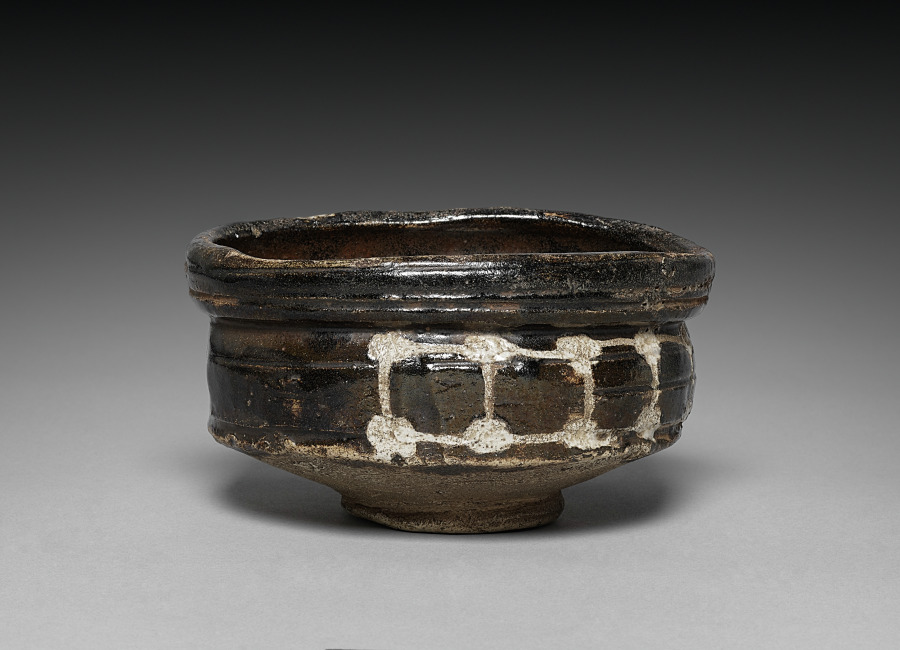
The clog-shaped teabowl, a vessel of Zen austerity, presents a radical departure from the curvilinear traditions of Japanese tea ceremony ceramics. Its form—a truncated cone with a pronounced, asymmetrical foot—is not merely functional but a deliberate architectural statement. The geometric integrity of this object lies in its reduction to essential volumes: a cylindrical body, a planar base, and a negative space that defines the interior. The clog motif, referencing the wooden geta sandal, introduces a horizontal datum line that bisects the bowl’s vertical thrust, creating a tension between stability and elevation. This is not a vessel that cradles; it is a platform that supports.
For the 2026 executive silhouette, this translates into a rigorous shoulder line and a flattened, sculptural hem. The jacket’s structure must mimic the bowl’s base—a clean, unadorned plane that grounds the garment. The asymmetry of the teabowl’s rim, often deliberately irregular, informs a single-shoulder drape or an offset collar, where the imbalance is not a flaw but a calculated disruption. The silhouette is monolithic yet dynamic, a paradox achieved through precise tailoring. The fabric, likely a dense wool or a structured cotton, must hold its shape without yielding, echoing the fired clay’s permanence.
Urban Materiality: From Kiln to Concrete
The materiality of the clog-shaped teabowl is defined by its raw, unglazed surface—a tactile memory of the kiln’s fire and the potter’s hand. In urban contexts, this translates to matte finishes and textured weaves that reject gloss and synthetic sheen. The bowl’s surface, often marked by ash deposits or iron speckling, suggests a patina of use that is integral to its aesthetic. For Addison Fashion, this demands fabrics that age gracefully—linen-cotton blends, raw silks, or unfinished wools that develop character through wear. The color palette must remain within the Ivory spectrum: bone, chalk, and ecru, with subtle variations that mimic the clay’s natural impurities.
The urban environment, with its concrete, steel, and glass, provides a counterpoint to this organic materiality. The clog-shaped teabowl’s geometric austerity finds resonance in the brutalist architecture of the city—its clean lines, its rejection of ornament, its embrace of raw materials. The executive silhouette must therefore be architectural in its construction, with seams that function as structural joints and pockets that are integrated as negative spaces. The shoulder pad becomes a cantilever; the lapel, a load-bearing beam. The garment is not worn; it is inhabited.
The 2026 Executive Silhouette: A Study in Minimalist Luxury
The 2026 executive silhouette, informed by the clog-shaped teabowl, is defined by three key principles: verticality, horizontality, and asymmetry. The verticality is achieved through a lengthened torso and a high armhole, which elongates the figure without constricting movement. The horizontality is introduced via a broad, flattened shoulder that extends slightly beyond the natural line, creating a T-shaped silhouette that is both powerful and serene. The asymmetry, drawn from the teabowl’s irregular rim, manifests in a single-breasted closure offset to one side or a hem that dips lower at the back.
Structural Poetics: The Art of Negative Space
The clog-shaped teabowl’s interior—the void that holds the tea—is as important as its exterior. In garment construction, this translates to negative space created through strategic draping and cutouts. A jacket might feature a single, deep pleat at the back that mimics the bowl’s interior curve, or a sleeve that is detached at the shoulder, revealing a sliver of the arm. This is not about exposure but about architectural breathing, allowing the garment to interact with the body as a vessel interacts with its contents. The lining, if used, should be of a contrasting texture—a smooth silk against a rough wool—to create a sensory dialogue between the wearer and the garment.
Urban Materiality: The Palette of Ivory
The Ivory color palette is not a single shade but a spectrum of off-whites that reference the teabowl’s clay body. From warm cream to cool bone, these tones are non-committal yet authoritative, allowing the silhouette to dominate without chromatic distraction. The fabric’s surface must be matte to absorb light rather than reflect it, creating a soft, diffused presence that is both approachable and distant. This is the color of unbleached linen, of raw silk noil, of wool flannel in its purest form. It is a color that ages with dignity, developing a patina that tells the story of its use.
Conclusion: The Vessel as Garment
The clog-shaped teabowl, in its geometric purity and material honesty, offers a definitive blueprint for the 2026 executive silhouette. It is a form that rejects excess in favor of essential structure, that embraces imperfection as a marker of authenticity, and that elevates utility to the realm of art. For Addison Fashion, this research confirms that the future of urban luxury lies not in novelty but in reduction—in the discipline of removing until only the necessary remains. The executive silhouette is no longer a statement of power but a vessel for presence, a quiet assertion of self in the noise of the city.