Minimalist
Onyx
Urban Form: Water Jar (Olla) with Rainbird
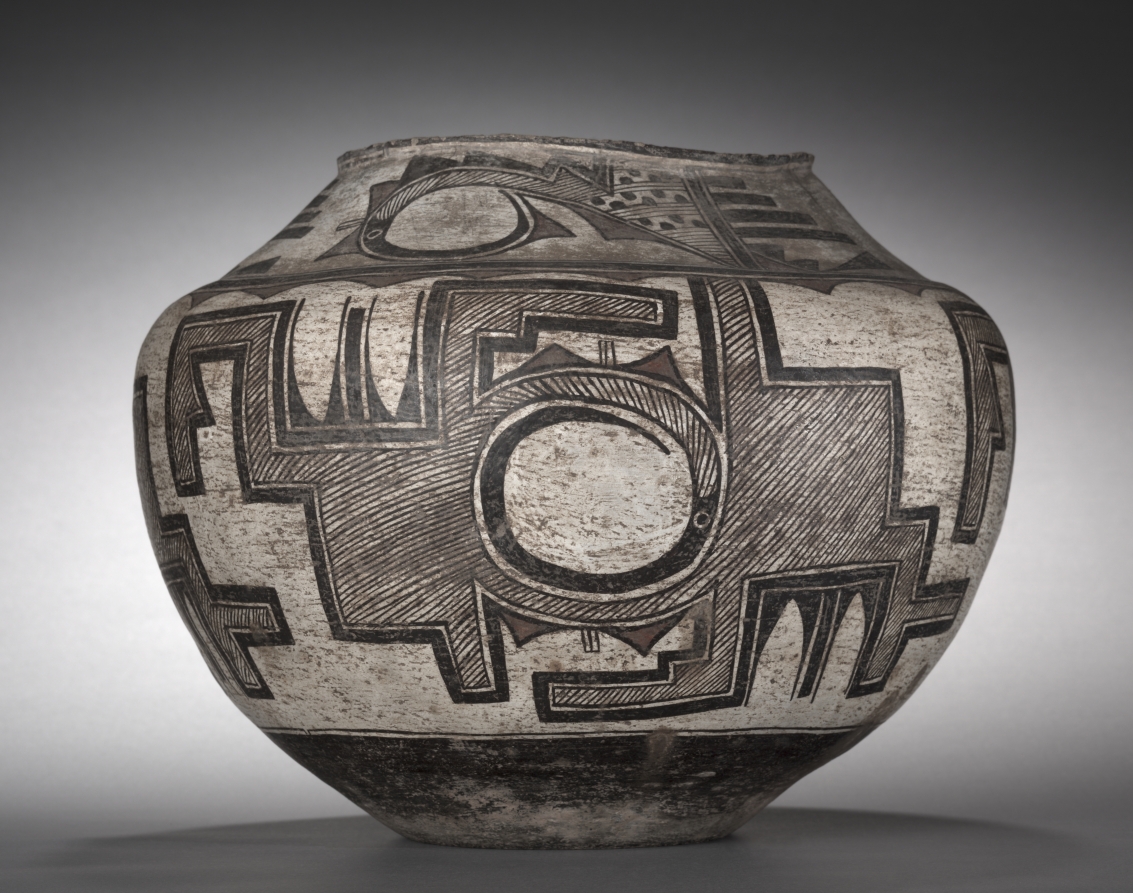
Geometric Integrity: The Olla as a Volume of Negative Space
The water jar, or *olla*, with its rainbird finial, presents a primary geometry of the sphere—a closed, self-referential volume. Unlike the vertical thrust of a column or the horizontal expanse of a plinth, the olla’s form is defined by containment. Its widest point is its equator, from which the curve recedes both upward to a narrow neck and downward to a stable, unadorned base. This is not a silhouette of action, but of potential. The rainbird, perched atop the neck, acts as a punctuation mark—a vertical accent that breaks the sphere’s perfect symmetry without disrupting its fundamental stillness. For the 2026 executive silhouette, this translates into a radical rethinking of the shoulder and torso. The traditional tailored jacket, with its structured shoulder pads and defined waist, is replaced by a **volumetric shell**. The shoulder line is softened, allowed to fall into a continuous curve that mirrors the olla’s equator. The garment does not cling to the body; it houses it. The waist is not cinched but suggested through a subtle inward curve at the ribcage, before expanding again at the hip. This creates a **negative-space architecture**—the body becomes the interior void, the fabric the containing vessel. The rainbird motif is echoed in a sharp, asymmetrical collar or a single, structural lapel that breaks the horizon of the shoulder, providing a singular point of visual tension.Structural Poetics: From Vessel to Vestment
The olla’s function is to hold water—a fluid, formless element. Its structure, therefore, is a negotiation between rigidity and potential flow. The clay body is fired to a hard, impermeable state, yet its purpose is to enable the opposite: the slow, life-giving release of moisture. This paradox is the core of its structural poetics. The rainbird, often a stylized avian form, is not a functional spout but a symbolic conduit, a messenger between the contained water and the open sky. In the urban context, this translates to a garment that is both **armor and membrane**. The primary fabric must possess a dense, almost ceramic weight—a double-faced wool or a tightly woven technical twill in Onyx, a color that absorbs light and flattens volume. The construction is minimal: seams are reduced to their essential lines, often hidden or turned inward, creating a seamless, monolithic surface. The garment’s “hardness” is its structure; its “softness” is the ease with which it allows the wearer to move within it. The rainbird is reinterpreted as a **structural finial**—a metal clasp at the nape of the neck, a sharp, angular pocket flap, or a single, oversized button at the sternum. This element is not decorative; it is the point where the garment’s internal logic is made visible, a moment of crystalline focus in an otherwise fluid volume.Urban Materiality: The Onyx Surface and the Ceramic Hand
The choice of Onyx is deliberate. It is the color of polished obsidian, of deep water at midnight, of the void before creation. It is not black, which can be flat and deadening; Onyx possesses a latent luster, a suggestion of internal depth. For the olla-inspired silhouette, this color enforces the object’s materiality. The fabric must be treated to resist the urban environment—water-repellent, wind-resistant, yet breathable. The finish is matte, not glossy, to avoid the cheap sheen of synthetic materials. The texture is smooth, almost cool to the touch, like fired clay. The urban materiality is further defined by **weight and drape**. The garment must fall with a deliberate gravity, not flutter or cling. It should settle into its own shape when at rest, creating a permanent fold or crease that speaks of use and time. This is the opposite of fast fashion’s ephemerality. The olla silhouette is a slow garment, one that requires the wearer to inhabit its volume. Pockets are integrated into the seams, invisible until used, preserving the purity of the outer surface. The lining, if any, is a contrasting texture—a raw silk or a fine wool challis—that provides a sensory surprise against the skin, a private luxury within the public armor.The 2026 Executive Silhouette: A Manifesto of Restraint
This research concludes that the olla with rainbird is not a decorative reference but a **structural archetype** for the future of executive dressing. The 2026 silhouette abandons the aggressive, power-shouldered shapes of the past and the deconstructed, formless shapes of the recent present. It proposes a third way: **controlled volume**. The garment is a vessel for the individual, not a display of the individual’s physical form. It is a statement of presence through absence, of power through containment. The executive who wears this silhouette is not performing dominance through expansion; they are asserting authority through stillness. The Onyx surface absorbs the chaos of the city, reflecting nothing but its own depth. The rainbird detail—a single, sharp line of metal or a folded seam—is the only point of light, a focus for the eye. This is the aesthetic of the curator, the strategist, the one who holds the water and decides when to release it. The olla silhouette is a return to the fundamental principles of garment architecture: volume, weight, and the poetry of the void. It is, in its essence, a form of **urban ritual wear**—a secular vestment for the modern temple of commerce.
Technical Insight
Technical Insight: Translating Onyx palettes into Minimalist silhouettes for the modern metropolis.