Urban Form: Fragment with Abstracted Leaves
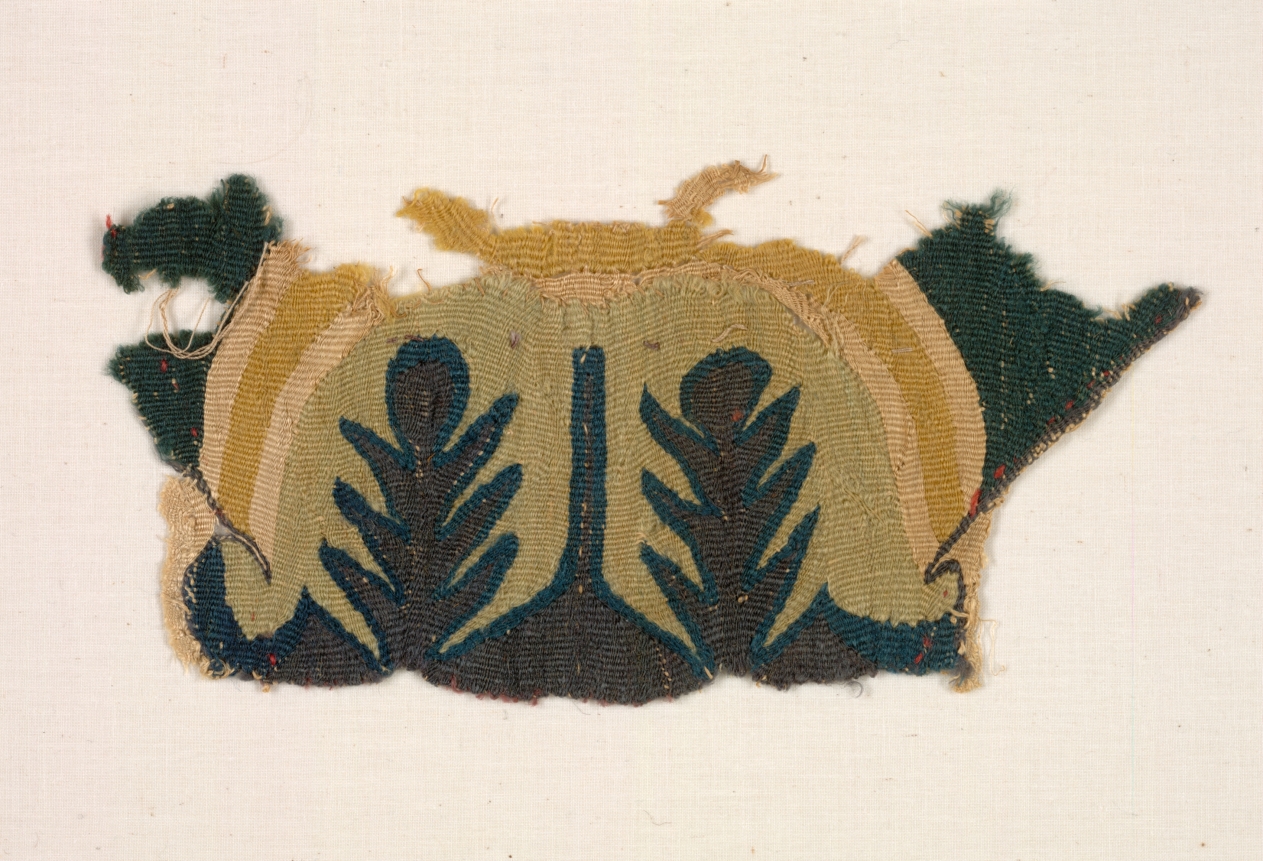
Geometric Integrity and the 2026 Executive Silhouette
The Fragment with Abstracted Leaves, when analyzed through the lens of the Pilgrim Sudhana and Harpist dialectic, reveals a profound architectural logic. This logic is not decorative but structural—a system of internalized tension and serene containment. For the 2026 executive silhouette, this translates into a Minimalist vocabulary defined by Ivory as a primary chromatic field. The fragment’s geometry is one of inward-directed energy, where each line and plane serves to anchor the form, creating a state of poised stillness. This is the antithesis of aggressive volume; it is a silhouette of quiet authority, built from the inside out.
Structural Poetics: The Architecture of Stillness
The Pilgrim Sudhana offers a model of centripetal geometry. The figure’s closed posture—shoulders drawn in, hands clasped, gaze lowered—creates a near-perfect ovoid or cylindrical volume. This is not a shape that reaches outward; it is a self-contained universe. The 2026 executive silhouette must echo this: a jacket with a high, sculpted armhole that hugs the torso, a slightly dropped shoulder that softens the line without breaking the vertical axis, and a hem that falls cleanly, without flare. The fabric itself becomes the medium of this containment. A dense, matte wool or a micro-ribbed cashmere, in Ivory, absorbs light rather than reflecting it, mimicking the “inner glow” of the ceramic glaze. The silhouette is a monolithic column, but one that breathes through precise tailoring.
Conversely, the Harpist introduces a dynamic counterpoint—a diagonal tension that prevents the form from becoming static. The curve of the harpist’s arm and the line of the instrument create an S-curve that is held in perfect equilibrium. In the executive silhouette, this translates to a single, deliberate break in the geometry. A sharp, asymmetrical seam that runs from the shoulder to the hem, or a structured, angular lapel that cuts across the chest. This is not ornament; it is a structural incision that introduces rhythm. The abstracted leaves of the fragment are not literal foliage but geometric shards—triangular or trapezoidal panels inserted into the garment’s construction. They create a visual counterpoint, a moment of controlled disruption within the otherwise serene volume. The result is a silhouette that is both monastic and martial, a study in disciplined asymmetry.
Urban Materiality: The Language of Surface and Light
The material palette for this silhouette is dictated by the tactile philosophy of the two artworks. From the Pilgrim Sudhana, we take the principle of internal luminosity. The Ivory color is not a flat white; it is a warm, bone-like tone that suggests depth. The fabric must be chosen for its ability to hold a shadow and diffuse light. Consider a double-faced wool crepe with a subtle, napped surface, or a heavy, matte silk satin that drapes with a liquid weight. The finish must be anti-reflective, absorbing the harsh glare of urban environments. This is a material that speaks of quiet luxury, of a surface that invites touch but resists easy reading.
From the Harpist, we extract the principle of chromatic contrast through structure. The black and terracotta of the Greek vase are not colors in the decorative sense; they are architectural elements that define form. In the 2026 silhouette, this translates to the use of negative space and linear seams. A deep, matte Onyx piping or a thin, structural bone inserted into a seam can create the same effect as the black background against the red figure—it carves out the shape, making the Ivory volume appear to float. The abstracted leaves are best rendered as cutouts or laser-perforated patterns in a secondary layer, revealing a darker underlayer. This is not a print; it is a material subtraction, a way of introducing the urban grid into the garment’s surface. The leaf forms become architectural fenestration, allowing the city’s light to penetrate the form without disrupting its integrity.
Silhouette Construction: The 2026 Executive Uniform
The definitive silhouette is a long, lean tunic over a narrow, straight-leg trouser. The tunic is the primary volume, cut with a high, standing collar that frames the neck like a pedestal. The shoulders are slightly extended but soft, avoiding the aggressive power-shoulder of the 1980s. The body is fitted through the ribcage and then released into a gentle A-line that ends at mid-thigh. The key structural element is a single, diagonal seam that begins at the left shoulder and terminates at the right hip. This seam is topstitched in a contrasting Onyx thread, creating a visible line of tension. The abstracted leaves are integrated as three-dimensional, folded panels along this seam, jutting out at precise angles. They are not soft; they are crisp, geometric shards of the same Ivory fabric, stiffened with a fusible interlining. They catch the light and cast sharp shadows, echoing the Harpist’s dynamic lines.
The trouser is high-waisted and columnar, with a single, sharp crease down the front. The waistband is wide and structured, acting as a corset-like anchor for the entire ensemble. The color is a deep, matte Slate—a near-black that grounds the Ivory volume above. This is the urban foundation, the base note that allows the upper silhouette to sing. The overall effect is one of controlled monumentality. The wearer is not draped in fabric; they are encased in a structure that is both protective and expressive. This is the uniform for the executive who navigates the city as a sacred space, moving with the focused stillness of the pilgrim and the measured grace of the harpist.
Conclusion: The Poetics of Restraint
The 2026 executive silhouette, derived from the Fragment with Abstracted Leaves, is a study in geometric purity. It rejects the fluid, the draped, and the oversized in favor of a minimalist architecture that is both severe and serene. The Ivory palette, the structural seams, and the abstracted leaf shards are not decorative flourishes; they are the material manifestation of a philosophy that values inner focus over external display. This is a silhouette for the urban pilgrim, a garment that does not shout but resonates with the quiet authority of a perfectly tuned instrument. It is the definitive statement for the executive who understands that true power lies in stillness, and that the most profound geometry is the one that contains the infinite within a single, perfect line.