Urban Form: The Rocky Seashore
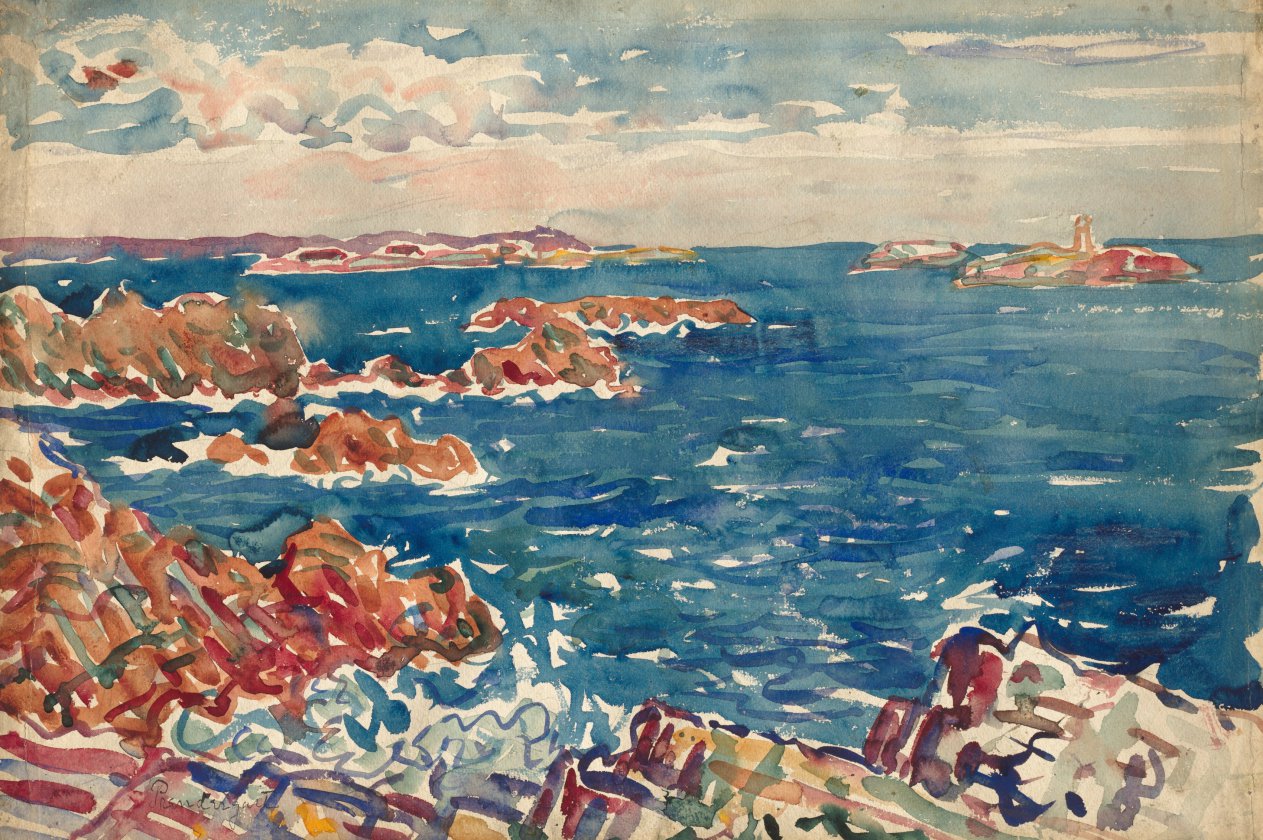
Executive Summary: The Rocky Seashore as a Study in Restrained Tension
The Rocky Seashore, as a conceptual DNA source, presents a paradox of stillness and erosion. It is not a landscape of soft dunes or gentle tides, but one of jagged basalt, compressed sediment, and the relentless, rhythmic abrasion of saltwater. For the 2026 NYC executive wardrobe, this translates into a Minimalist silhouette defined by structural compression and tactile surface tension. The color palette, anchored in Slate, is a study in muted, geological grays—neither warm nor cold, but possessing the dense, absorptive quality of wet stone. This is not a wardrobe for the passive observer; it is armor for the urban navigator, where form is a function of resistance and color is a tool of psychological concealment.
I. Silhouette Architecture: The Geology of the Garment
A. The Shoulder: The Basalt Outcrop
The foundational element of this silhouette is the shoulder line. Rejecting the soft, sloped drape of fluid tailoring, the Rocky Seashore demands a structured, slightly extended shoulder that mimics the angular break of a cliff face. The construction must employ a rigid canvas interlining and a high, set-in sleeve with a minimal cap height. The result is a geometric, almost architectural line that creates a clear, unyielding boundary between the body and the environment. This is not about breadth for the sake of power, but about establishing a static, immovable presence in the fluid chaos of the city. The shoulder acts as a visual fulcrum, anchoring the entire vertical composition.
B. The Torso: Compressed Sediment
In contrast to the expansive shoulder, the torso is a study in controlled compression. The jacket silhouette is a slim, single-breasted cut with a suppressed waist, but not through aggressive darts. Instead, the volume is reduced through a straight, vertical seam from the armhole to the hem, creating a tubular, columnar effect. The fabric is allowed to fall without flare, mimicking the way water compresses sand into sedimentary rock. The length is critical: cropped to the natural waist, or extended to a high-hip length that terminates precisely at the point where the torso meets the pelvic bone. This creates a visual break, a “tidal line” that separates the upper structure from the lower movement. The trouser is a straight-leg, high-waisted cut with a single, sharp crease. The rise is high, cinching the waist to create a continuous, unbroken line from the jacket’s hem to the shoe. The leg opening is narrow—17-18 inches—to avoid any pooling or break at the ankle, ensuring the silhouette terminates cleanly, like a wave receding from a flat rock.
C. The Sleeve: The Eroded Channel
The sleeve is not a simple appendage; it is a negative space carved into the garment. The cut is two-piece, with a forward pitch that mimics the natural rotation of the arm, but the fabric is held taut. The result is a sleeve that appears to be a single, seamless extrusion of the shoulder block. The cuff is narrow and unadorned, often finished with a single button or a continuous, invisible seam. This is a deliberate rejection of the flamboyant, Italianate cuff. The sleeve’s role is to disappear, to become a functional channel for movement without disrupting the monolithic form of the torso.
II. Color Theory: The Slate Spectrum
A. The Primary Hue: Absorptive Gray
The color Slate is not a neutral gray. It is a composite of blue, green, and black—a color born from the compression of ancient seabeds. In the context of the executive wardrobe, it functions as a psychological absorber. It does not reflect light; it consumes it. This creates a surface that is both present and recessive, allowing the wearer to command a room without visual aggression. The specific shade is a mid-tone, low-chroma slate (approximately Pantone 18-4006 TPX, “Gull Gray” or a slightly darker equivalent). It is the color of wet pavement at dusk, of a storm-swept sky just before the rain. It is a color of anticipation and authority, devoid of the warmth of charcoal or the coldness of steel.
B. Secondary Accents: The Salt and the Iron
To prevent the palette from becoming flat, two secondary accents are introduced, derived from the seashore’s mineral deposits. The first is Onyx (a deep, almost black gray) used for the interior linings, pocket welts, and button threads. This creates a hidden contrast, a secret structure that is only revealed in movement. The second accent is Ivory, but not a warm, creamy ivory. This is a bleached, bone-dry ivory (Pantone 11-0103 TCX, “Bone White”), used for the shirting and the pocket square. It is the color of dried sea salt, of a bleached shell. This contrast—the absorptive slate against the brittle, reflective ivory—creates the necessary visual friction. The shirt collar, a cutaway or a high-band spread, becomes a sharp, white line against the dark slate of the jacket, echoing the line of foam against a dark rock.
C. Textural Dissonance: The Surface of the Stone
Color alone is insufficient. The surface finish of the fabric must replicate the tactile experience of the seashore. The primary fabric is a worsted wool flannel with a tight, milled finish that has a slight, dry hand. It is not soft; it is dense and compacted. The weave should be a 2x2 twill that creates a subtle, diagonal rib, mimicking the striations of sedimentary rock. For the trouser, a high-twist, tropical-weight wool with a matte, almost chalky finish is used. This fabric resists creasing and holds the sharp crease of the trouser leg, while its surface texture absorbs light rather than reflecting it. The result is a garment that is visually monolithic but tactically complex—a surface that invites touch but offers no comfort, like a stone smoothed by centuries of tide.
III. The 2026 NYC Executive: A Case Study in Controlled Erosion
The Rocky Seashore silhouette is not for the executive who seeks to be liked. It is for the executive who seeks to be understood as a force. In the 2026 NYC landscape—a city of increasing density, digital saturation, and sensory overload—this wardrobe offers a form of visual silence. The compressed torso and narrow leg communicate efficiency and precision. The slate color absorbs the visual noise of the city, allowing the wearer to become a static point in a fluid environment. The ivory accents are not decorative; they are structural, providing the necessary contrast to define the form. This is a wardrobe of strategic withdrawal, where the power lies not in what is shown, but in what is withheld. The garment is a shell, a carapace, a piece of the seashore itself—eroded, compressed, and ultimately, unbreakable.