Urban Form: Hoyshaleshvara Temple Sculpture, Halebidu (Halebeedu)
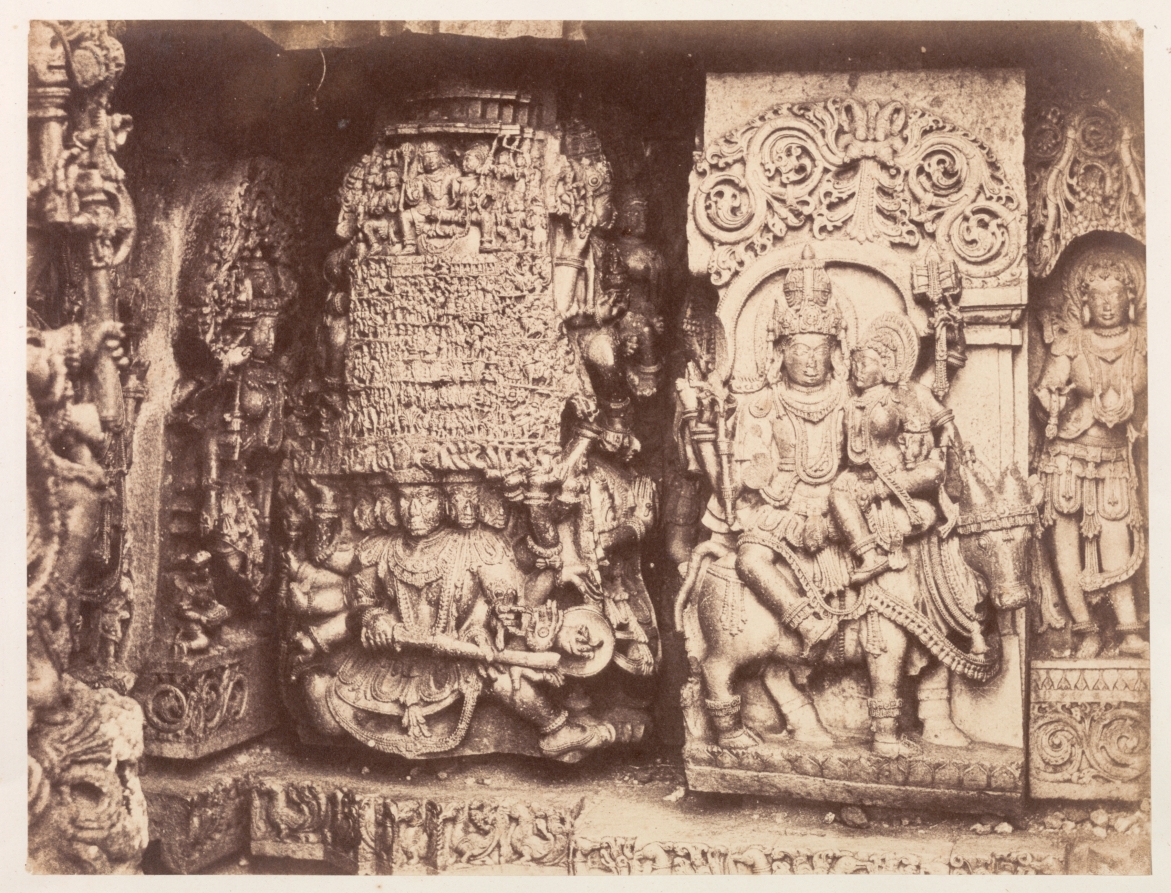
Geometric Integrity as Architectural Syntax
The Hoyshaleshvara Temple Sculpture at Halebidu presents a foundational study in negative space as structural load. The Hoysala dynasty’s signature chloritic schist carvings—dense, lathe-turned, and layered with mythological iconography—operate through a paradox of mass and void. The stone is not merely carved; it is excavated. Every figure, every floral motif, emerges from a field of darkness that is as deliberate as the relief itself. This is not ornamentation. This is subtractive geometry—a process where the sculptor’s chisel defines the silhouette by removing what is unnecessary, leaving only the essential contour.
For the 2026 executive silhouette, this principle translates into minimalist tailoring that privileges absence over presence. The shoulder line is not padded; it is defined by the negative space of the armhole. The lapel is not a separate application; it is a continuous fold of fabric that emerges from the chest panel as if carved from a single block of wool. The silhouette must read as monolithic yet fluid, a single volume that has been hollowed to accommodate the human form. The slate color—a deep, sedimentary grey with undertones of weathered stone—anchors this geometry. It is the color of the temple’s shadowed niches, of lichen on granite, of the urban skyline at dusk. It does not reflect light; it absorbs it, creating a visual weight that grounds the wearer in the city’s concrete matrix.
Structural Poetics: The Udumbara and The Hunt as Tectonic Forces
The internal DNA of this collection—the Udumbara flower plaque and The Hunt—are not decorative references but tectonic forces that dictate the garment’s internal architecture. The Udumbara, with its three-thousand-year bloom cycle, represents compressed temporality. In the sculpture, it is rendered as a minuscule, umbrella-shaped cluster clinging to bark—a detail so fine it almost disappears into the stone’s grain. Its aesthetic strategy is one of invisible presence: the flower exists not as a focal point but as a whisper within the material. For the silhouette, this translates into hidden seams, internal boning, and concealed pockets that structure the garment from within. The outer shell remains unbroken, a smooth plane of slate wool, while the interior holds the tension of the Udumbara’s latent bloom. The jacket’s back panel, for instance, is cut in a single piece from shoulder to hem, with the waist suppression achieved through a series of invisible darts that radiate from the center seam—a structural echo of the flower’s radial symmetry.
Conversely, The Hunt introduces kinetic tension. The Baroque hunting scene—with its twisting bodies, flying manes, and diagonal thrusts of spears—is a study in asymmetrical balance. The composition is never static; it is a frozen moment of maximum exertion. In the 2026 silhouette, this manifests as offset closures, asymmetric hemlines, and angular pocket placements. A single-breasted coat might feature a lapel that extends diagonally across the torso, mimicking the spear’s trajectory. The sleeve head is set with a slight forward pitch, echoing the hunter’s lunge. The fabric itself—a dense worsted wool with a subtle twill—is cut on the bias at the shoulder to create a spiral of tension that pulls the eye across the body. The color slate here takes on a different quality: it is the grey of storm clouds gathering over a battlefield, of gunmetal, of the space between light and shadow in a Caravaggio painting.
Urban Materiality: From Stone to Textile
The Hoysaleshvara’s chloritic schist is a soft stone that hardens upon exposure to air. This material alchemy is replicated in the textile selection. The primary fabric is a super 150s wool woven in a double-faced construction—soft to the touch but rigid in drape. It is treated with a nanotechnology finish that repels water and stains, mimicking the stone’s patina. The surface is matte, almost chalky, absorbing ambient light rather than reflecting it. This is not a fabric that announces itself; it is a fabric that endures.
Secondary materials include bonded leather for structural elements—collar stands, pocket welts, and internal stays—sourced from Italian tanneries that use vegetable-based dyes. The leather is shrunken and pressed to achieve a fossilized texture, reminiscent of the temple’s weathered reliefs. Hardware is oxidized brass, darkened to a slate patina, with a brushed finish that catches light only at extreme angles. Zippers are concealed beneath plackets; buttons are horn, carved into minimalist discs that echo the Udumbara’s circular form.
The 2026 Executive Silhouette: A Definitive Statement
The final silhouette is elongated, columnar, and grounded. The shoulder is natural but defined—a soft extension of the arm rather than a separate structure. The torso is suppressed at the waist but not cinched; the line falls straight to the hip, where it either terminates in a clean hem or flares slightly in a modified A-line for skirts and coats. Trousers are high-waisted, wide-legged, and cropped to reveal the ankle—a nod to the temple’s horizontal banding. The overall effect is one of monumental simplicity: the wearer becomes a moving sculpture, a figure carved from the urban landscape.
This is not a silhouette for the impatient. It demands a certain stillness of presence, a willingness to be observed as an object of architectural interest. The slate color, the subtractive geometry, the hidden tensions—all converge to create a garment that is both temple and hunt: a space for contemplation and a field for action. The executive who wears this does not chase trends. They inhabit form. They are the stone, the shadow, the silence between notes. And in that silence, the Udumbara blooms.